Arsenal
Introduction
When discussing the biggest football clubs in the world, Arsenal is a name that consistently appears near the top of the list. Known for its rich history, passionate supporters, iconic players, and commitment to attractive football, Arsenal has established itself as one of the most respected institutions in the sport.
Founded in the late nineteenth century, Arsenal has evolved from a local club into a global football brand with millions of supporters across every continent. Throughout its history, the club has experienced periods of dominance, challenging moments, remarkable recoveries, and unforgettable achievements that have shaped its identity.
What makes Arsenal particularly fascinating is that the club represents more than trophies and statistics. It symbolizes tradition, ambition, innovation, and a unique football philosophy that has influenced generations of players and fans. Whether discussing legendary managers, famous stadiums, historic rivalries, or future aspirations, Arsenal remains one of football’s most compelling stories.
The Origins of Arsenal Football Club
Arsenal’s story began in 1886 when a group of workers from the Royal Arsenal armaments factory in Woolwich, London, decided to form a football team. Originally known as Dial Square, the club quickly evolved and adopted the name Royal Arsenal before eventually becoming Woolwich Arsenal.
The early years were challenging. Football was still developing as an organized sport, and clubs often faced financial difficulties. Despite these obstacles, Arsenal steadily gained recognition through determination and competitive performances.
One of the most significant moments in the club’s early history came when Arsenal became the first club from Southern England to join the Football League. This achievement marked the beginning of a journey that would eventually establish Arsenal among England’s football elite.
The club’s move from Woolwich to North London in 1913 proved transformative. Relocating to Highbury created new opportunities for growth and helped Arsenal attract larger crowds and greater financial stability.
The Rise of Arsenal in English Football
After relocating to North London, Arsenal entered a period of remarkable development. The club invested in infrastructure, player recruitment, and long-term planning, creating a foundation for future success.
The appointment of visionary manager Herbert Chapman changed everything. Chapman introduced revolutionary ideas regarding tactics, training methods, player preparation, and club organization.
Under his leadership, Arsenal transformed into one of England’s most dominant teams. The club began winning league titles and establishing itself as a consistent contender for major honors.
Chapman’s influence extended beyond trophies. Many innovations now considered standard in football originated from his ideas, including numbered shirts and modern tactical systems. His legacy remains deeply embedded within Arsenal’s culture.
The Golden Era Under Herbert Chapman
Herbert Chapman is widely regarded as one of the most influential managers in football history. His impact on Arsenal cannot be overstated.
During the 1930s, Arsenal emerged as the dominant force in English football. The team combined tactical intelligence, technical skill, and physical strength to outperform rivals consistently.
Several league championships arrived during this period, establishing Arsenal as a powerhouse. The club’s success attracted larger audiences and increased national recognition.
Chapman’s leadership also transformed the club’s image. Arsenal became associated with professionalism, innovation, and excellence. Even decades later, many of his principles continue to influence modern football operations.
Highbury: The Home of Arsenal for Nearly a Century
Few stadiums in football history are remembered as fondly as Highbury Stadium.
For generations of Arsenal supporters, Highbury represented far more than a football ground. It was a symbol of identity, tradition, and countless unforgettable memories.
The stadium witnessed some of the club’s greatest triumphs, including league title celebrations, legendary performances, and iconic matches. Its unique architecture and intimate atmosphere made it one of football’s most beloved venues.
Players frequently described Highbury as a special place. The proximity of supporters to the pitch created an environment capable of inspiring extraordinary performances.
When Arsenal eventually moved to a new stadium, many fans experienced mixed emotions. While progress was necessary, saying goodbye to Highbury marked the end of a historic chapter.
Arsenal’s Greatest Players
Throughout its history, Arsenal has been home to numerous legendary footballers.
Tony Adams is often considered the embodiment of Arsenal’s spirit. His leadership, loyalty, and defensive excellence made him one of the club’s greatest captains.
Dennis Bergkamp brought creativity, elegance, and technical brilliance. His vision and ball control produced some of the most memorable moments in Premier League history.
Patrick Vieira dominated midfield battles through a combination of power, intelligence, and leadership. He played a crucial role during one of Arsenal’s most successful eras.
Perhaps no player is more closely associated with modern Arsenal than Thierry Henry. His speed, finishing ability, and flair made him one of the greatest forwards football has ever seen.
Arsène Wenger and the Modern Revolution
The appointment of Arsène Wenger in 1996 transformed Arsenal forever.
At the time, many observers were unfamiliar with Wenger. However, his methods quickly revolutionized English football. He introduced advanced nutritional programs, scientific training techniques, and sophisticated tactical concepts.
Under Wenger, Arsenal became known for attractive attacking football. The team’s style emphasized technical skill, movement, creativity, and intelligent passing.
The club won multiple league titles and domestic cups during Wenger’s tenure. More importantly, he changed perceptions about how football should be played.
His influence extended beyond Arsenal. Many innovations now common throughout football can be traced back to Wenger’s pioneering approach.
The Invincibles Season
One of Arsenal’s greatest achievements came during the 2003–04 Premier League season.
Known as “The Invincibles,” Arsenal completed the entire league campaign without losing a single match. This extraordinary accomplishment remains one of football’s most impressive records.
The squad combined world-class talent with exceptional team chemistry. Players understood their roles perfectly and consistently delivered high-level performances.
The unbeaten run demonstrated mental strength as much as football ability. Maintaining consistency throughout an entire season requires discipline, focus, and resilience.
Today, the Invincibles remain a source of immense pride for Arsenal supporters and are frequently cited among the greatest teams in football history.
The Emirates Stadium Era
In 2006, Arsenal moved to Emirates Stadium.
The move represented one of the most significant decisions in the club’s history. The new stadium provided increased capacity, modern facilities, and improved financial opportunities.
While the transition offered many benefits, it also created challenges. Stadium construction costs affected transfer spending for several years, making competition with wealthier rivals more difficult.
Despite these obstacles, the Emirates Stadium helped position Arsenal for long-term growth. It strengthened the club’s commercial appeal and enhanced the matchday experience.
Today, the stadium is recognized as one of Europe’s premier football venues.
Arsenal’s Greatest Rivalries
Football rivalries add excitement and emotion to the sport, and Arsenal has several famous opponents.
The North London Derby against Tottenham Hotspur is among the most intense rivalries in world football. Matches between the clubs generate enormous anticipation and passion.
Arsenal’s rivalry with Manchester United became particularly fierce during the late 1990s and early 2000s. These encounters often determined league championships.
Games against Chelsea F.C. have also gained significance due to both clubs competing regularly for major honors.
These rivalries contribute significantly to Arsenal’s identity and create memorable moments for supporters.
Arsenal’s Global Fan Base
One of Arsenal’s greatest strengths is its worldwide support.
Millions of fans follow the club across Asia, Africa, Europe, North America, South America, and the Middle East. This global reach reflects decades of success and strong brand development.
Supporters clubs exist in countless countries, organizing events, watch parties, and community activities. These groups help maintain connections between fans and the club regardless of location.
Social media has further strengthened Arsenal’s global presence. Supporters can now interact with players, access club content, and participate in discussions from anywhere in the world.
The loyalty of Arsenal fans remains one of the organization’s most valuable assets.
Youth Development and Academy Success
Arsenal has long prioritized youth development.
The academy has produced numerous talented players who later achieved success at the highest level. Investing in young talent helps ensure long-term sustainability while preserving club identity.
Academy graduates often understand Arsenal’s culture deeply because they develop within the system from an early age. This familiarity can provide advantages when transitioning to senior football.
The club continues investing heavily in coaching, facilities, and player development programs. These efforts aim to identify and nurture future stars.
A strong academy remains essential in modern football, where competition for talent is increasingly intense.
Arsenal Women
The success of Arsenal Women F.C. deserves significant recognition.
The team has won numerous domestic and international honors, becoming one of the most successful organizations in women’s football history.
Their achievements have helped promote the women’s game and inspire future generations of players. Arsenal Women consistently demonstrate excellence both on and off the field.
Growing investment and increased visibility have strengthened the team’s position further. The future appears exceptionally bright for women’s football at Arsenal.
Their continued success contributes significantly to the overall reputation of the Arsenal organization.
The Current Era and Future Ambitions
Modern Arsenal continues striving to compete at the highest levels of football.
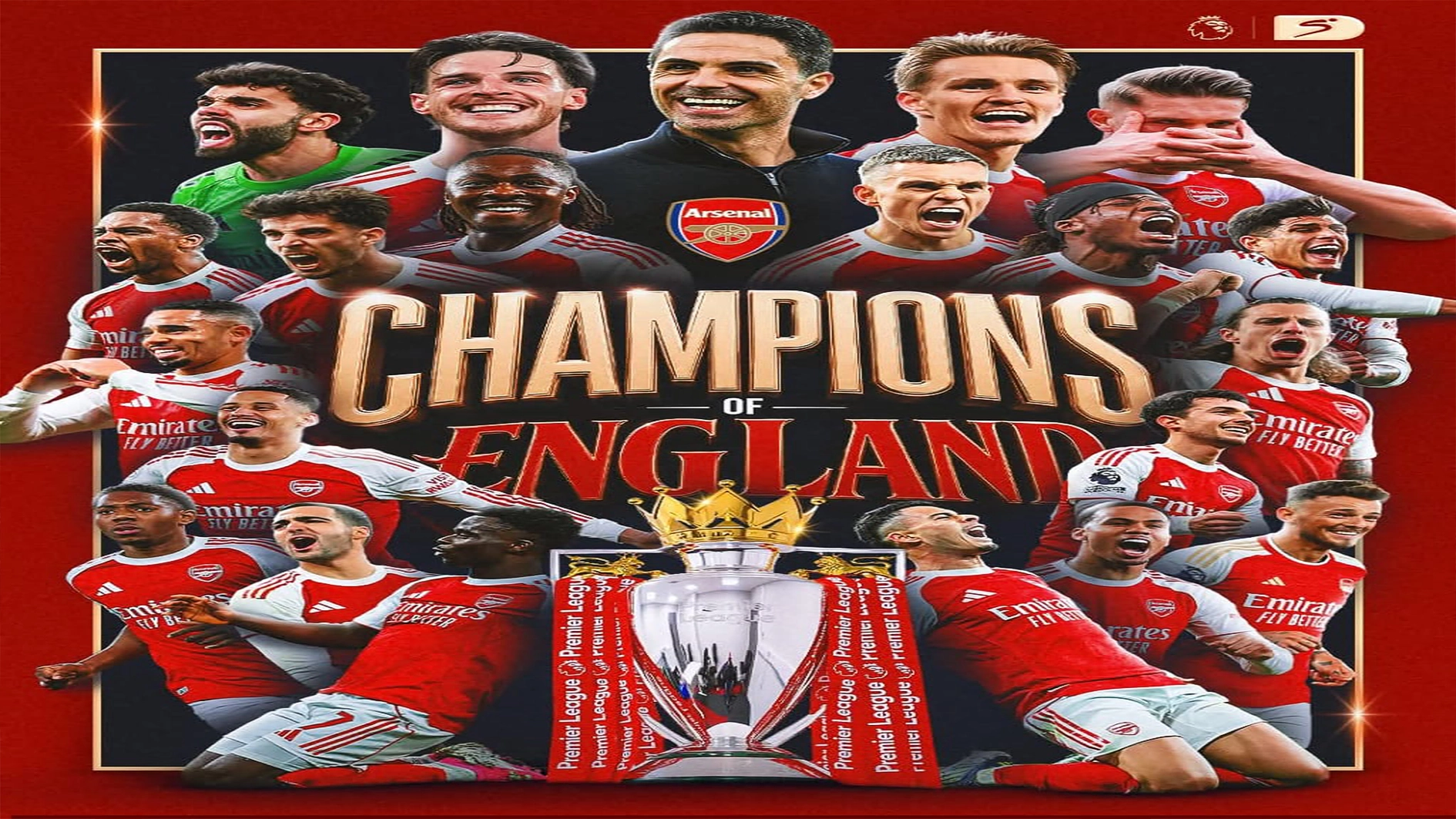
Recent seasons have shown encouraging progress, with the club challenging for major honors and developing an exciting young squad. Strong recruitment, tactical evolution, and improved consistency have generated optimism among supporters.
The leadership team remains focused on sustainable growth rather than short-term solutions. This approach aligns with Arsenal’s long-standing commitment to long-term planning.
Future goals include winning additional league titles, competing regularly in European competitions, and maintaining financial stability while investing in talent.
The combination of tradition, infrastructure, global support, and emerging talent provides a strong foundation for future success.
Conclusion
Arsenal is far more than a football club. It is a global institution built upon history, innovation, ambition, and community. From its origins in Woolwich to its current status as one of football’s most recognized brands, Arsenal’s journey reflects more than a century of achievement and evolution.
The club has produced legendary players, visionary managers, iconic stadiums, and unforgettable moments. Whether discussing the innovations of Herbert Chapman, the brilliance of Arsène Wenger, the Invincibles season, or modern ambitions, Arsenal consistently occupies a unique place in football history.
For millions of supporters worldwide, Arsenal represents passion, tradition, and hope. As the club continues pursuing future success, its remarkable legacy ensures that it will remain one of the most influential and respected names in world football for generations to come.
YOU MAY HAVE MISSED
About the Author