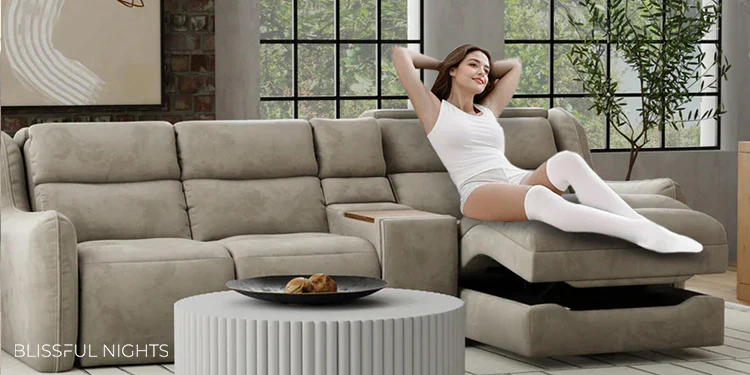
What Is a Lounger
Introduction
Furniture has What Is a Lounger evolved tremendously over the centuries, moving far beyond simple functionality to become an essential part of comfort, lifestyle, and interior design. Among the many furniture pieces available today, the lounger stands out as one of the most comfortable and versatile options. Whether placed indoors or outdoors, a lounger is designed to help people What Is a Lounger relax, unwind, and enjoy moments of leisure.
Many people hear the word “lounger” but aren’t entirely What Is a Lounger sure what it means. Some think it’s another name for a recliner, while others associate it with poolside furniture or luxurious resort seating. Although these ideas aren’t entirely wrong, the term “lounger” actually covers a wide variety of furniture styles created specifically for relaxation and comfort.
A lounger is much more than an ordinary chair. It typically allows users to stretch out their legs, lean back comfortably, and maintain a relaxed posture for extended periods. Depending on the design, loungers may include adjustable backrests, cushions, armrests, footrests, or even ergonomic support systems.
Today, loungers can be found in homes, hotels, spas, offices, gardens, beaches, swimming pools, patios, and luxury resorts around the world. Their popularity continues to grow because modern lifestyles increasingly emphasize comfort and wellness.
This guide explores everything you need to know about loungers, including their history, types, materials, benefits, maintenance, design trends, buying tips, and much more.
What Is a Lounger?
A lounger is a specially designed piece of furniture intended primarily for relaxation. Unlike a standard chair that keeps the body upright, a lounger allows the user to recline partially or fully while supporting the entire body in a comfortable position.
Most loungers feature an elongated design that supports both the upper and lower body. Some models include adjustable reclining positions, while others maintain a fixed ergonomic angle optimized for comfort. Depending on the intended use, loungers may be upholstered with soft fabrics, leather, mesh materials, or weather-resistant outdoor fabrics.
One of the defining characteristics of a lounger is its ability to encourage relaxation rather than productivity. While office chairs prioritize posture for work, loungers prioritize comfort for reading, napping, sunbathing, watching television, or simply resting.
Modern loungers come in countless styles ranging from elegant indoor chaise lounges to durable outdoor sun loungers and luxurious massage loungers equipped with advanced technology.
The History of Loungers
The concept of lounging dates back thousands of years. Ancient civilizations recognized the importance of comfortable seating and created furniture specifically designed for rest and relaxation. Historical records show that wealthy Egyptians, Greeks, and Romans used reclining furniture during social gatherings and meals.
In ancient Rome, reclining couches known as “lectus” were commonly used during banquets. Guests would recline while eating and conversing, demonstrating that comfortable furniture was already associated with luxury and status.
As furniture craftsmanship evolved throughout Europe, chaise lounges became popular among aristocrats during the Renaissance and Victorian eras. These elegant pieces combined artistic beauty with exceptional comfort and became symbols of sophistication.
The twentieth century introduced modern manufacturing techniques that made loungers more affordable and accessible to the general public. Designers experimented with steel, aluminum, molded plastic, and ergonomic engineering to create innovative seating solutions.
Today, loungers combine centuries of design evolution with advanced materials and modern comfort technologies.
Different Types of Loungers
One reason loungers remain so popular is the enormous variety available. Manufacturers design different styles to suit specific environments, user preferences, and functional requirements.
Indoor loungers are among the most common varieties. These include chaise lounges, reading loungers, living room recliners, and oversized upholstered relaxation chairs. They often feature premium fabrics, soft cushions, and decorative designs that complement interior décor.
Outdoor loungers are specifically engineered to withstand weather conditions. They commonly use aluminum frames, synthetic wicker, treated wood, and UV-resistant fabrics that resist moisture, fading, and corrosion.
Pool loungers are designed for maximum relaxation near swimming pools. Many feature adjustable backrests, breathable mesh seating, wheels for mobility, and quick-drying materials.
Beach loungers prioritize portability. Lightweight folding frames allow users to transport them easily while enjoying vacations, camping trips, or beach outings.
Massage loungers represent one of the newest innovations. These sophisticated models include electronic massage systems, heating elements, zero-gravity positioning, and customizable comfort settings.
Key Features That Define a Quality Lounger
Not every lounger provides the same level of comfort. High-quality models share several important characteristics that distinguish them from lower-quality alternatives.
Ergonomic design is perhaps the most critical feature. A well-designed lounger supports the spine, neck, shoulders, hips, and legs in natural positions that reduce physical strain during prolonged use.
Adjustability greatly enhances comfort. Many loungers allow users to modify backrest angles, leg support positions, headrests, and armrests according to individual preferences.
Material quality significantly influences durability and appearance. Premium loungers use solid hardwood, powder-coated aluminum, stainless steel, high-density foam, weather-resistant textiles, and durable upholstery.
Ease of maintenance is another important consideration. Removable cushion covers, washable fabrics, corrosion-resistant finishes, and stain-resistant materials help preserve appearance while reducing maintenance requirements.
Modern premium loungers may also incorporate USB charging ports, integrated lighting, hidden storage compartments, cup holders, and smart reclining mechanisms.
Materials Used to Manufacture Loungers
The choice of materials directly affects a lounger’s appearance, durability, comfort, maintenance requirements, and price. Manufacturers carefully select materials based on intended use and environmental conditions.
Wood remains one of the most popular materials, particularly teak, eucalyptus, oak, walnut, and acacia. Wooden loungers offer timeless beauty while providing excellent structural strength. Teak is especially valued for outdoor applications because of its natural resistance to moisture and insects.
Metal frames offer outstanding durability and modern aesthetics. Aluminum is lightweight, rust-resistant, and ideal for outdoor furniture. Steel provides exceptional strength but usually requires protective coatings to prevent corrosion.
Synthetic wicker has become increasingly popular because it replicates natural rattan while offering significantly greater resistance to weather exposure. It combines visual appeal with excellent longevity.
Plastic and resin loungers provide affordable, lightweight solutions suitable for patios and pools. Modern manufacturing techniques have improved their strength and appearance considerably.
Upholstery materials range from genuine leather and premium fabrics for indoor use to solution-dyed acrylic and polyester fabrics designed specifically for outdoor durability.
Benefits of Owning a Lounger
A lounger offers much more than simply an attractive piece of furniture. It contributes significantly to physical comfort, mental relaxation, and overall lifestyle quality.
One major advantage is improved relaxation. Loungers encourage users to fully recline and relieve pressure on muscles and joints. This creates an ideal environment for reading, watching television, listening to music, or enjoying quiet moments.
Many loungers also provide ergonomic support that reduces physical discomfort. Proper spinal alignment and weight distribution can minimize back pain, neck strain, and muscle fatigue during extended periods of sitting.
Loungers contribute to improved outdoor living as well. Patios, gardens, balconies, and pool areas become significantly more inviting when equipped with comfortable seating designed specifically for relaxation.
High-quality loungers also enhance interior design. Their elegant appearance often serves as both functional furniture and decorative focal points within living rooms, bedrooms, sunrooms, or home libraries.
Because they encourage moments of rest and mindfulness, loungers can positively influence overall well-being and stress reduction.
Indoor vs. Outdoor Loungers
Although indoor and outdoor loungers share similar purposes, their construction differs substantially due to environmental requirements.
Indoor loungers emphasize luxurious comfort and aesthetic appeal. Designers often prioritize soft upholstery, decorative fabrics, premium cushioning, and sophisticated styling that complements interior décor.
Outdoor loungers must withstand sunlight, rain, humidity, temperature fluctuations, and environmental contaminants. Manufacturers therefore select materials that resist fading, corrosion, mildew, and moisture absorption.
Maintenance requirements also differ considerably. Indoor loungers typically require routine vacuuming and occasional upholstery cleaning, while outdoor models benefit from regular washing and seasonal protective storage.
Weight is another consideration. Outdoor loungers often balance stability with portability, allowing homeowners to reposition furniture around pools, gardens, or patios.
Choosing between indoor and outdoor loungers depends entirely on intended use. Many homeowners ultimately invest in both to maximize comfort throughout their living spaces.
Modern Lounger Design Trends
Furniture design continually evolves, and loungers have adapted to contemporary lifestyles remarkably well. Modern consumers increasingly seek furniture that combines functionality, beauty, and sustainability.
Minimalist designs remain highly popular. Clean lines, neutral colors, hidden mechanisms, and understated elegance create timeless pieces suitable for diverse interior styles.
Eco-friendly manufacturing has become another major trend. Many companies now produce loungers using responsibly sourced wood, recycled materials, low-emission finishes, and environmentally responsible production processes.
Smart furniture technology is also entering the lounger market. Premium models now include motorized reclining systems, wireless charging stations, integrated speakers, LED lighting, and customizable massage functions.
Customization continues growing in popularity. Consumers increasingly appreciate the ability to select fabrics, colors, frame materials, cushion densities, and optional accessories that reflect individual preferences.
These innovations ensure loungers remain relevant as both practical furniture and lifestyle-enhancing investments.
Conclusion
A lounger is far more than a What Is a Lounger comfortable chair. It represents a thoughtful combination of ergonomic design, craftsmanship, relaxation, and personal well-being. Whether positioned indoors beside a fireplace or outdoors overlooking a swimming What Is a Lounger pool, a quality lounger transforms ordinary spaces into inviting environments designed for rest.
The wide variety of available styles ensures that nearly every homeowner can find a lounger suited to personal preferences, available space, and budget. Advances in materials, sustainability, and smart technology continue expanding the possibilities available to modern consumers.
Investing in a well-designed lounger is ultimately an investment in comfort. With proper selection and maintenance, a quality lounger can provide years of enjoyable relaxation while enhancing both the appearance and functionality of any living space.
YOU MAY HAVE MISSED
About the Author