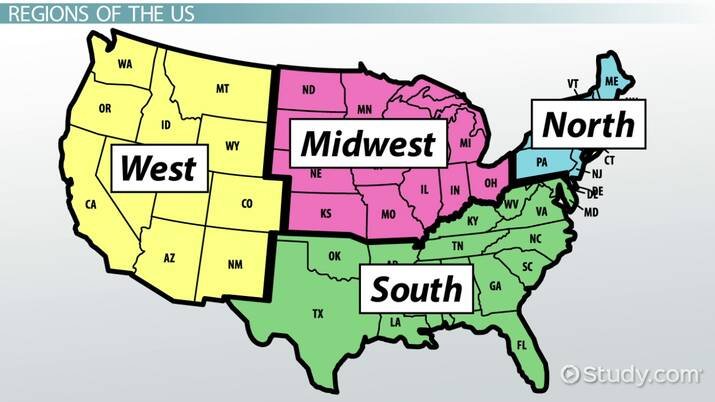
Regions
Introduction to Regions
The word “regions” is one of the most commonly used terms in geography, economics, politics, business, tourism, and environmental studies. A region refers to an area that shares common characteristics, whether those characteristics are physical, cultural, economic, political, or administrative. Although the definition sounds simple, the concept of regions plays a significant role in understanding how the world is organized and how societies function.
Every country is divided into different regions for various purposes. Some regions are created based on natural features such as mountains, rivers, deserts, or climate. Others are formed according to political boundaries, economic activities, language, religion, or historical development. Because of these differences, regions help governments, researchers, businesses, and individuals better understand the diversity of places around the world.
Regions are not limited to geography textbooks. Businesses use regional analysis to identify new markets, governments use regions for administration and development planning, scientists use regional studies to understand environmental changes, and travelers use regional classifications to explore destinations more effectively. In nearly every field, regions provide a practical way to organize information and make informed decisions.
As globalization continues to connect countries and cultures, understanding regions has become even more important. Regional cooperation, trade agreements, climate policies, and cultural exchanges all rely on recognizing the unique characteristics that define different areas. This guide explores the concept of regions in depth, examining their types, importance, evolution, and influence on modern society.
What Is a Region?
At its core, a region is an area that shares one or more common characteristics. These characteristics may be natural, human-made, economic, political, cultural, or environmental. A region can be as small as a neighborhood or as large as an entire continent, depending on the purpose of the classification.
One important aspect of regions is that they are often created for a specific reason. A climatologist may divide the world into climate regions based on temperature and rainfall. An economist may classify regions according to industrial production or income levels. Governments often create administrative regions to improve public services and governance. This flexibility makes regions useful across many disciplines.
Regions also help simplify complex information. Instead of studying every city individually, researchers can analyze an entire region that shares similar characteristics. This approach allows patterns to become more visible and helps experts develop practical solutions to social, environmental, and economic challenges.
The boundaries of a region are not always fixed. Some are clearly defined by political borders, while others gradually transition into neighboring areas. This makes the concept of regions both practical and dynamic, adapting to changing conditions over time.
Different Types of RegionS
Regions can be classified in many different ways depending on the characteristics being studied. Understanding these categories provides a clearer picture of how geographers and researchers organize the world.
Physical regions are based on natural features such as mountains, rivers, plains, deserts, forests, or climate zones. Examples include the Sahara Desert, the Amazon Rainforest, and the Himalayan mountain region. These areas share environmental characteristics that distinguish them from surrounding landscapes.
Cultural regions are defined by shared language, religion, traditions, customs, cuisine, architecture, and historical heritage. For example, Latin America is often considered a cultural region because many countries share similar languages, colonial histories, and traditions despite having separate governments.
Political or administrative regions exist for governance and management purposes. States, provinces, counties, municipalities, and districts all represent political regions created to improve administration and public services.
Economic regions focus on business activities, industrial production, employment patterns, trade relationships, and income levels. Major manufacturing regions, technology hubs, and agricultural zones are examples of economic regions that influence national and international economies.
Functional regions develop around a central point where activities are connected through transportation, communication, trade, or services. Metropolitan areas and commuter zones are common examples where surrounding communities depend on a central city.
Why Regions Matter
Regions are important because they help organize information in ways that improve understanding and decision-making. Without regional classifications, analyzing global or national trends would become far more complicated.
Governments rely heavily on regional planning. Infrastructure development, education systems, healthcare services, transportation networks, and disaster management programs are often organized at the regional level. This approach allows resources to be allocated more efficiently according to local needs.
Businesses also benefit from regional analysis. Companies study consumer behavior, purchasing power, cultural preferences, and economic conditions before entering new markets. Understanding regional differences helps organizations develop products and marketing strategies that better meet customer expectations.
Researchers depend on regional studies to examine environmental issues, population changes, biodiversity, agricultural production, and climate patterns. Comparing regions enables scientists to identify trends and propose effective solutions to complex global challenges.
Ultimately, regions help transform vast amounts of information into meaningful patterns that support informed decision-making across numerous industries.
Physical Regions and Their Characteristics
Physical regions are among the oldest and most widely recognized regional classifications. They are based entirely on natural features rather than human activities.
Mountain regions are characterized by high elevations, steep terrain, cooler temperatures, and unique ecosystems. These areas often influence weather patterns, water resources, and biodiversity while presenting unique challenges for transportation and development.
Plains and grassland regions typically support agriculture due to fertile soils and relatively flat landscapes. Many of the world’s largest food-producing areas are located within extensive plains that provide ideal farming conditions.
Coastal regions combine land and sea environments, creating important centers for trade, tourism, fishing, and biodiversity. Coastal communities often experience distinct climates and economic opportunities compared to inland areas.
Desert regions receive very little rainfall but support specialized ecosystems adapted to extreme conditions. Despite harsh environments, many desert regions contain valuable mineral resources and unique cultural traditions developed over centuries.
Understanding physical regions helps scientists predict environmental changes, manage natural resources, and develop sustainable land-use practices.
Cultural Regions Around the World
Culture shapes many of the world’s regional identities. Shared traditions, beliefs, languages, and historical experiences create strong cultural connections that often extend beyond political boundaries.
Language remains one of the strongest defining characteristics of cultural regions. Communities sharing a common language often develop similar literature, media, education systems, and communication styles that strengthen regional identity.
Religion also influences regional development. Religious traditions shape architecture, festivals, social values, dietary customs, and artistic expression. Many cultural landscapes have evolved around places of religious significance that continue attracting visitors from around the world.
Cuisine offers another powerful example of regional identity. Local ingredients, cooking methods, and traditional recipes create distinctive food cultures that become closely associated with specific regions. These culinary traditions frequently influence tourism and economic development.
Music, dance, clothing, architecture, and storytelling further reinforce cultural identities, making cultural regions some of the most fascinating areas for historians, anthropologists, and travelers to study.
Economic Regions and Global Development
Economic regions focus on patterns of production, trade, employment, and investment rather than natural or cultural characteristics. These regions play a central role in today’s interconnected global economy.
Industrial regions typically concentrate manufacturing facilities, transportation infrastructure, skilled labor, and supply chains. Their specialization often leads to increased productivity and economic growth while attracting additional investment.
Agricultural regions specialize in farming activities suited to local climates and soils. Some regions focus on grain production, while others become known for fruits, livestock, dairy products, coffee, tea, or wine. These specializations contribute significantly to domestic and international food markets.
Technology regions have emerged as major drivers of innovation. Areas with strong universities, research institutions, startup ecosystems, and venture capital often become centers for software development, biotechnology, artificial intelligence, and advanced manufacturing.
Tourism also creates important economic regions where natural attractions, cultural heritage, and recreational opportunities generate employment and income. Successful tourism regions invest heavily in infrastructure, hospitality, and environmental conservation.
Economic regions demonstrate how specialization enables areas to develop competitive advantages while contributing to broader national and global economies.
Administrative Regions and Governance
Administrative regions exist primarily to improve governance and public administration. Governments divide countries into manageable units that facilitate efficient service delivery and policy implementation.
Regional governments often oversee education, healthcare, transportation, emergency services, environmental protection, and economic development. Decentralized administration enables officials to address local priorities more effectively than centralized decision-making alone.
Administrative boundaries also support accurate population censuses, tax collection, elections, and legal systems. These functions require clearly defined jurisdictions to ensure accountability and consistent public services.
In many countries, regional governments work closely with national authorities while maintaining varying degrees of autonomy. This balance helps accommodate local diversity while preserving national unity.
As populations grow and urbanization continues, administrative regions remain essential for managing increasingly complex societies efficiently.
The Role of Regions in Business and Marketing
Businesses rarely treat entire countries as single markets. Instead, they analyze regions to better understand customer preferences, purchasing behavior, competition, and economic conditions.
Regional marketing strategies allow companies to adapt advertising campaigns, product designs, pricing, and distribution methods to local consumer expectations. This localization often leads to stronger customer relationships and improved sales performance.
Supply chain management also depends heavily on regional planning. Companies establish warehouses, transportation networks, and manufacturing facilities strategically to minimize costs while improving delivery efficiency.
Retail expansion frequently follows regional analysis. Businesses evaluate demographics, income levels, population density, and consumer demand before opening new stores or launching online services in specific areas.
By recognizing regional differences, organizations can allocate resources more effectively while reducing business risks and improving long-term profitability.
Conclusion
Regions are far more than simple geographic divisions. They provide valuable frameworks for understanding the natural environment, human societies, economies, governments, and cultures that shape our world. Whether examining physical landscapes, cultural traditions, political systems, or economic development, regional analysis helps reveal meaningful patterns that would otherwise remain hidden.
As globalization continues transforming societies, the importance of regional knowledge continues to grow. Businesses rely on regional markets, governments develop regional policies, researchers study regional trends, and travelers explore regional cultures to gain richer experiences.
Understanding regions ultimately allows us to appreciate both the diversity and interconnectedness of our world. By recognizing what makes each region unique while understanding how regions interact with one another, we gain valuable insights that support better decisions in education, business, public policy, and everyday life.
YOU MAY HAVE MISSED
About the Author